Pay in installments of $6.20 with
 ,
,
 and
and

Shipping Estimate
USA
- USA
- CAN
- USA
- CAN
Ships within 48 hours · Estimated delivery Jul 26 - Jul 31
 Promo Codes Available:
For Your Every Summer RSVP, with Code: SUMMER15
Description
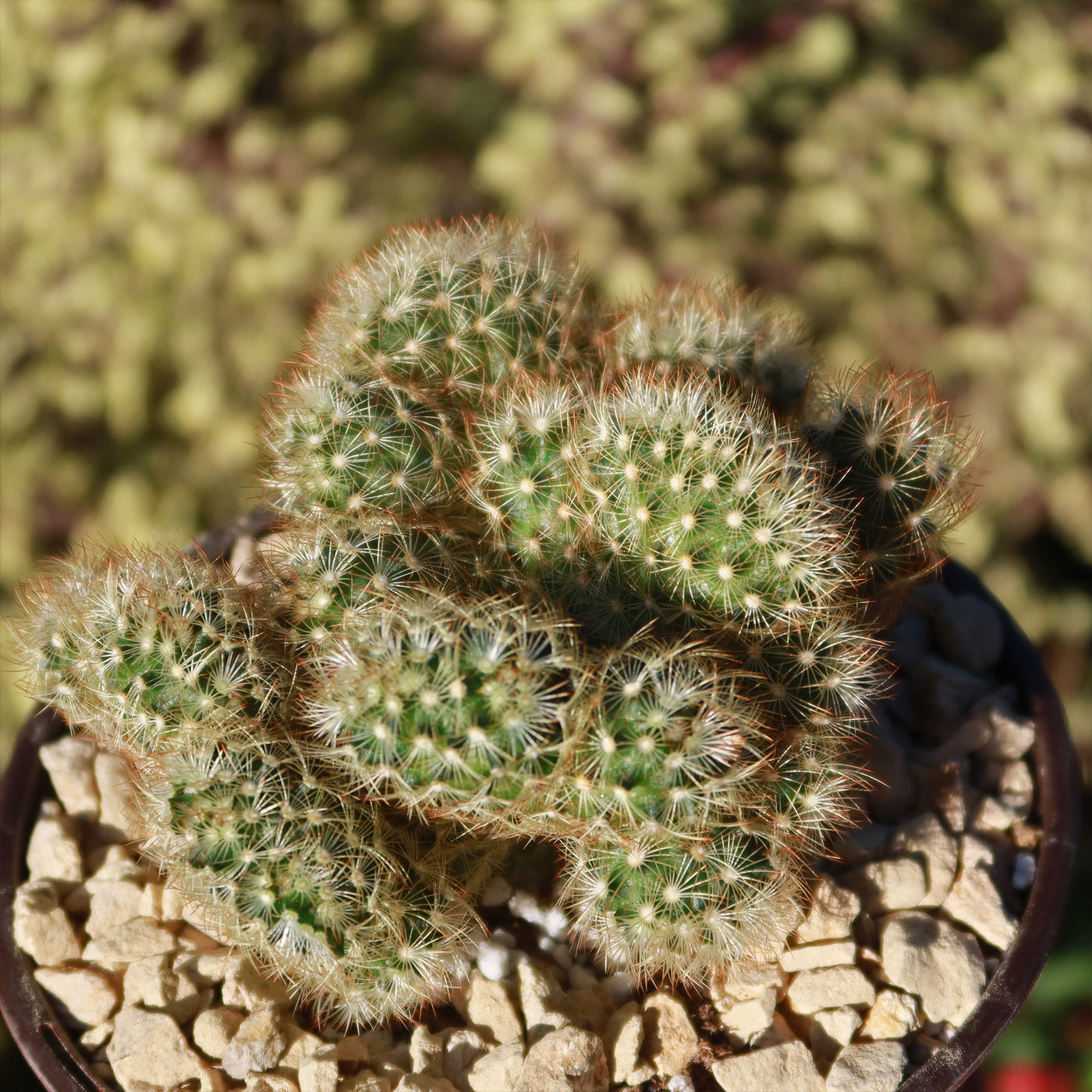
brain like succulent Shop 'Brain Cactus - Mammillaria Elongata Cristata' Care and InfoThe Brain Cactus, known as the Mammillaria elongata cristata, is a cristata form of the Mammillaria elongata. Its growth pattern resembles the convoluted folds and ridges of a human brain, hence the common nickname. This distinctive characteristic sets it apart from other succulent plants. The brain cactus is a succulent ground cover, forming with time tight clumps of erect, ascending, prostrate, or recumbent stems that can grow up to 6 inches tall
The Brain Cactus, known as the Mammillaria elongata cristata, is a cristata form of the Mammillaria elongata. Its growth pattern resembles the convoluted folds and ridges of a human brain, hence the common nickname. This distinctive characteristic sets it apart from other succulent plants.
The brain cactus is a succulent ground cover, forming with time-tight clumps of erect, ascending, prostrate, or recumbent stems that can grow up to 6 inches tall and 12 inches wide, with small white spines.
These spines are harmless and serve as a protective mechanism for the plant. Because of their diminutive size, they are occasionally used for bonsai.
The blooms of Mammillaria Cristata are small, pink, bell-shaped. It blooms in the Spring but can bloom for a second time later in the year.
Sometimes the Mammillaria flowers have stripes and are also a light shade of yellow, white, or pink.
The unusual, crested appearance of these cacti houseplants is the result of injury to the young plant. The wounded area's cells begin to grow rapidly, causing the plant's pads to twist. This growth is created by manually manipulating the 'damage'. It is sometimes seen as a grafted plant, but it grows very well on its own roots, too.
The crested form, Mammillaria elongata cristata, is a mutation that causes the brain cacti to grow in a wavy, fan-like shape, making it even more visually striking. It also resembles the ladyfinger cactus and gold lace cactus, which are outstanding types of cactus plants. This may be the most common Mammillaria to be found and occurs in more variations than any other Mammillaria species. The original natural habitat of this species is the states of Guanajuato, Hidalgo, and Querétaro (Central Mexico).
When and How to Water Your Brain Cactus
The Brain Cactus is a drought-tolerant succulent that thrives in dry environments and requires very little water to stay healthy. Its densely folded, crested shape can trap excess moisture, making it more prone to rot than typical cacti. The brain cactus prefers watering once every 10-14 days in the growing season, and once every 4-6 weeks in the dormant season.
From spring through early fall, during the growing season, water using the soak-and-dry method, once every 10–14 days. Allow it to dry out completely before watering again. You may water weekly during hot summers, but only if the soil dries quickly and the plant is actively growing. A light cactus fertilizer can be added once a month during this period for extra support.
From late fall through winter, during the dormant season, greatly reduce watering to once every 4–6 weeks, or none at all if the temperatures drop below 50°F. The soil should remain mostly dry to prevent root rot. As with most succulents, it’s far safer to underwater than to overwater; always check soil dryness before each watering.
Light Requirements - Where to Place Your Brain Cactus
When growing indoors, the Brain Cactus thrives in bright, indirect light for at least 4–6 hours a day. A south- or east-facing window is ideal, where it can soak in strong morning or filter midday light without getting scorched. Avoid placing it in low-light corners, as insufficient light can cause the cactus to stretch (etiolate) or lose its compact shape. If natural light is limited, a grow light can help maintain healthy, dense growth. Watch for signs of sunburn, like faded or brown patches, if the cactus is exposed to harsh, direct rays through glass for extended periods.
When growing outdoors, place your Brain Cactus in a partially shaded location where it can receive morning sun and afternoon shade, especially in hot, dry climates. While it enjoys bright conditions, prolonged exposure to intense, direct sunlight, especially during peak summer hours, can damage its delicate, folded tissues.
If transitioning from indoors to outdoors, do so gradually to prevent sun shock. A covered patio, bright balcony, or spot with filtered sunlight works best for keeping it vibrant and healthy.
If you notice that your brain cactus is stretching or leaning toward the light source, it may be an indication that it needs more light. On the other hand, if you observe signs of sunburn, such as brown or discolored patches on the plant, it may be getting too much direct sunlight.
Optimal Soil & Fertilizer Needs
The Brain cactus prefers a well-drained soil and should be fertilized once a year in spring. This type of soil allows excess water to drain quickly, preventing waterlogged roots and potential rot. You can find cactus soil mixes at most garden centers, or create your own by combining regular potting soil with sand or perlite for improved drainage. Ideally, you want to use our specialized cactus potting mix that contains 5 natural substrates and organic mycorrhizae to promote the development of a strong root system that helps your cactus to thrive.
As for fertilization, the brain cacti do not require frequent or heavy feeding. During the active growing season in spring, you can fertilize it once a year with a natural, balanced fertilizer of NPK (5-10-5). However, it is important to avoid fertilizing during the winter months when the cactus is dormant.
Indoor Growing Brain Cactus Requirements
The Brain cactus thrives best indoors when kept in a warm, dry environment between 65–80°F, and it should be protected from cold drafts or temperatures below 50°F. This cactus prefers low to moderate humidity and does best in well-ventilated rooms where air circulation prevents excess moisture buildup. Avoid placing it in overly humid areas like bathrooms or near humidifiers, as prolonged humidity can encourage rot or fungal issues. For best results, keep it in a bright, sunny location with stable indoor conditions year-round.
Hardiness Zone & More
In the United States, the Brain cactus is mostly an indoor plant, but if you live in southern Florida or Hawaii, then you can cultivate it outdoors in USDA zones 9-11.
Bring it inside at the beginning of fall because it cannot tolerate even a slight frost.
In terms of humidity, the Brain Cactus is adaptable and can tolerate indoor minimal humidity levels.
It doesn't require high humidity but can benefit from occasional misting during dry periods or in drier environments. Just make sure not to overdo it, as excessive moisture can lead to fungal issues.
Remember, these are general guidelines, and it's always a good idea to observe your specific growing conditions and adjust accordingly to ensure the best care for your Brain plant.
Wildlife - Brain Cactus Attracts the Following Friendly Pollinators
The Brain Cactus attracts a variety of pollinators such as bees, butterflies, and hummingbirds with its vibrant flowers. These pollinators play a crucial role in the reproduction and survival of this unique cactus species.
According to ASPCA, the brain cactus is not toxic to humans or pets. However, it does have spines that can cause physical harm if consumed or handled carelessly. Its spines can be sharp and cause irritation or puncture wounds, but it won't poison you.
How to Propagate Your Brain Cactus
To propagate your brain cactus, you can take cuttings from the plant and allow them to callous over before planting them in well-draining soil. Make sure to keep the soil slightly moist but not overly wet to encourage root growth. Additionally, providing indirect sunlight and warmth will help the cuttings establish themselves successfully.
Key Takeaways
- The name “Brain Cactus” comes from its unusual, twisted form created by a rare cristate mutation, which causes the stems to grow in a folded, undulating pattern that closely resembles the ridges of a human brain.
- This crested shape can occur either naturally through genetic mutation or as a response to damage at the plant’s growth point, resulting in a one-of-a-kind growth habit that doesn’t follow the typical cylindrical shape of its parent species.
- The Brain Cactus is highly drought-tolerant, thanks to its compact, moisture-retentive form and dense spines that reduce water loss, allowing it to survive long periods without watering.
- It grows slowly and stays relatively small, but its sculptural appearance continues to evolve over time, making it a living art piece in any succulent collection.
Final Thoughts
Overall, the Brain Cactus (Mammillaria Elongata Cristata) is a truly eye-catching and conversation-starting plant, prized for its rare, crested growth that resembles the folds of a human brain. It's compact in size but bold in appearance, making it ideal for small indoor spaces, succulent arrangements, or collectors looking for something unique. Despite its exotic look, this cactus is remarkably low-maintenance, thriving in bright light, warm temperatures, and low humidity. Its drought tolerance and slow-growing nature make it ideal for those who prefer minimal watering and care. Whether you're a seasoned cactus enthusiast or a curious beginner, the Brain Cactus offers both visual intrigue and easy upkeep, making it a standout addition to any plant collection..
Shipping Notes
- Free Standard Shipping on $100+ Orders to the USA.
- Except Preorder products are shipped in 48 hours.
- Delivery to the USA:
- Standard Shipping : 3-10 business days
- If time is of the essence, please consider selecting expedited delivery for faster service.
Exchange/Return Notes
- We offer a 30-day return/exchange service after receiving.
- Final sale items are not eligible for returns or exchanges.
- To process your return/exchange, please contact us at [email protected]
- Please click here for more details>>> Return & Exchange Policy